


A Guide to Italian Comfort Food
Some meals are for showing off. Italian comfort food is for showing up hungry.
That is the real heart of a good guide to italian comfort food - food that feels generous, familiar, and worth gathering around. It is the slice you fold on a busy weeknight, the baked pasta that hits the table still bubbling, the chicken Parm that somehow works for date night and family dinner at the same time. When people say they are craving Italian, they usually are not asking for delicate. They want sauce, cheese, crust, and that made-with-love feeling that turns dinner into a better part of the day.
What makes Italian comfort food comfort food
Comfort food has less to do with culinary rules and more to do with how a dish lands. Italian comfort food tends to be rich, warm, and built around textures people never really get tired of - crisp crust, soft pasta, melted mozzarella, slow-cooked sauce, and savory fillings. It is food with a little heft. Not heavy for the sake of it, but satisfying in a way that makes takeout night feel like a win.
That does not mean every dish is the same. Some comfort comes from simplicity, like a plain cheese pizza done right. Some comes from abundance, like a tray of baked ziti feeding a table full of people. The common thread is reliability. You know what you are getting, and when it is made well, that predictability is part of the appeal.
A guide to italian comfort food classics worth ordering again
Pizza is the obvious place to start, and for good reason. New York-style pizza is comfort food with range. A quick slice works when lunch needs to happen fast, but a full pie can carry movie night, game night, or that moment when nobody wants to cook and everybody wants something they already know they will like. The beauty is in the balance - crisp enough to hold, chewy enough to satisfy, with sauce and cheese doing their job without turning the whole thing into a mess.
Then there is baked pasta, which may be the purest form of Italian comfort food. Baked ziti, lasagna, stuffed shells, manicotti - these dishes are all about layers, softness, sauce, and cheese. They are not trying to surprise you. They are trying to make sure nobody leaves the table disappointed. For families, they are especially practical because they portion well and usually hold heat better than lighter pasta dishes.
Chicken Parm belongs in any serious conversation too. It is one of those meals that checks every box at once: crispy breading, marinara, melted cheese, and a side of pasta or bread to catch what is left on the plate. It feels a little more complete than a sandwich and a little less formal than a plated entrée at a white-tablecloth restaurant. That middle ground is exactly why people keep coming back to it.
Calzones and strombolis deserve more credit than they get. They are ideal when you want the comfort of pizza but a little more heft and a lot more filling in every bite. They travel well, reheat well, and make sense for anyone who likes a compact, all-in-one meal. The trade-off is that they can feel heavier than a slice, so they are perfect for bigger appetites or colder nights.
Red sauce matters more than people think
A lot of comfort in Italian food comes down to the sauce. A good red sauce should taste developed, not rushed. It should bring sweetness, acidity, and enough savory depth to stand up to pasta, cut through cheese, and make bread worth tearing into. When the sauce is flat, every dish built on it feels flatter too.
This is why classic red-sauce dishes stay in rotation. Spaghetti with meatballs, baked ziti, eggplant Parm, chicken Parm - they all rely on marinara to do real work. A strong sauce does not need to be flashy. It just needs to taste like somebody cared. That is what people remember.
For takeout and delivery, sauce also has a practical role. It helps reheated food stay enjoyable. A slice with solid sauce still eats well later. A baked pasta with enough sauce does not dry out on round two. If you are ordering for leftovers, that matters.
How to choose the right Italian comfort food for the moment
Not every craving needs the same answer. That is where a practical guide helps.
For a fast weeknight dinner, pizza usually wins. It is easy to share, easy to customize, and easy to fit around everybody's schedule. If one person wants classic cheese and another wants toppings, a pie or two solves the problem without much debate. Add a side salad or appetizers if you want to round it out, but pizza alone often gets the job done.
For a family meal where people want something more filling, baked pasta is hard to beat. It feels more like a full dinner, especially when paired with garlic knots or bread. It is also a smart pick when kids and adults need a common ground. Most people will happily meet at lasagna.
For casual get-togethers, think bigger and think shareable. Pizza, stromboli, wings, and trays of pasta work because nobody needs instructions. People can grab what they want, go back for more, and keep the night moving. A standout specialty pie can make the whole spread feel more memorable too. At DiMaria's in Mt. Joy, that kind of crowd-pleaser energy is exactly why a pie like the Her Majesty GranMa Pie gets attention - it is built for sharing and built to be talked about.
For colder days or full-on comfort cravings, go with dishes that lean rich and baked. Chicken Parm, stuffed shells, and lasagna have that stick-to-your-ribs payoff people want when a salad is not going to cut it. There is nothing wrong with ordering for mood.
Why pizza still owns the comfort-food conversation
Plenty of Italian dishes qualify as comfort food, but pizza has an edge because it meets people where they are. It can be a solo dinner, a family dinner, a party food, or the answer to a last-minute plan. It is familiar without being boring because small differences in crust, sauce, cheese, and style make a big impact.
New York-style pizza, especially, has that everyday-hero quality. It is not fussy. It is built to be eaten hot, folded, carried, boxed, reheated, and ordered again next week. A good crust gives you structure, the cheese gives you comfort, and the sauce ties it together. That combination is hard to top when convenience matters as much as flavor.
And convenience does matter. Comfort food loses some of its charm if ordering it feels like work. The best restaurants understand that part of the comfort is not just what you eat, but how easily it gets to your table. Online ordering, delivery, takeout, and quick pickup all support the same thing - getting good food into real life without friction.
The best comfort-food orders are built around who is eating
This is where a lot of generic food advice falls short. The best order depends on the group.
If you are feeding two, you can afford to get specific. Maybe that means one specialty pizza and an appetizer, or two entrées with enough leftovers for tomorrow's lunch. Couples and smaller households often get the most value from mixing one shareable item with one plated favorite.
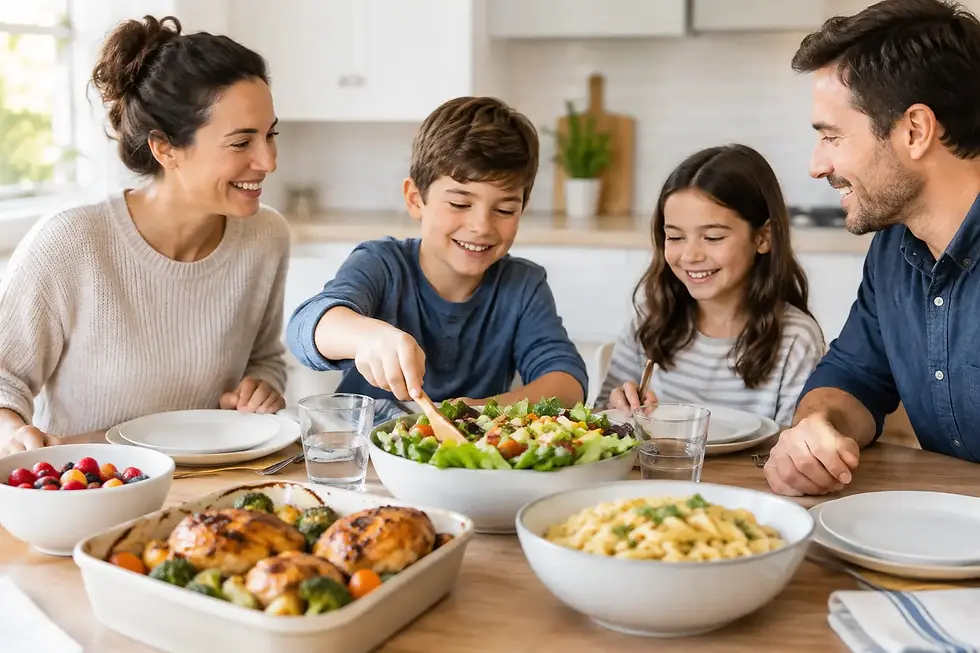
If you are feeding a family, flexibility matters more. Pizza gives you topping options, pasta trays help stretch the meal, and classics like chicken Parm keep picky eaters from becoming a whole side quest. The goal is not culinary adventure. The goal is everybody eating well with minimal drama.
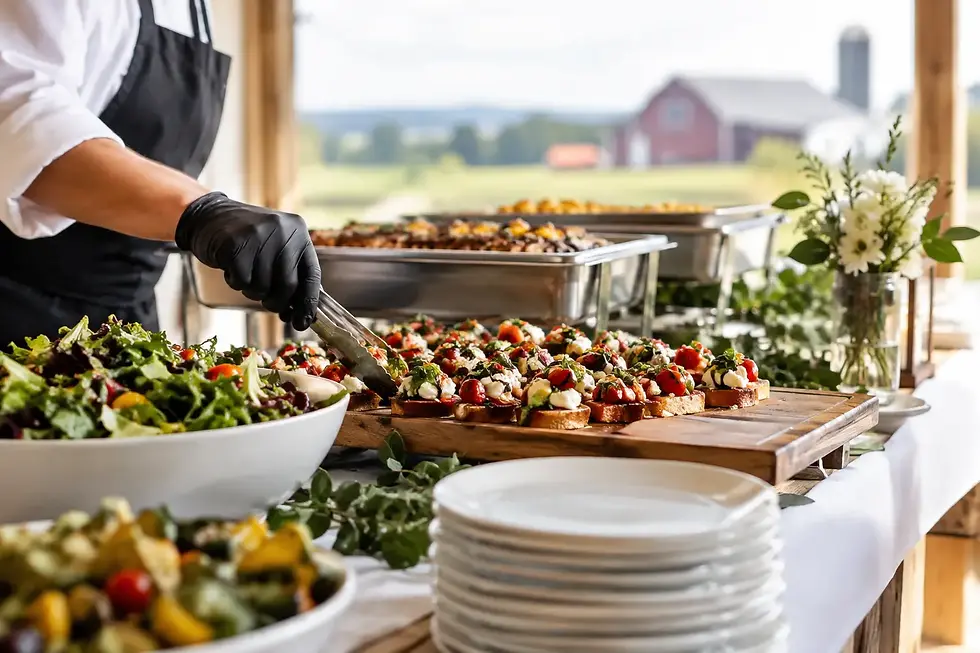
If you are feeding a group, order for flow. Food should be easy to serve, easy to recognize, and easy to keep moving around the room. That is why party-sized pizza, pasta trays, and classic Italian favorites remain the safe bet for offices, school events, birthday parties, and game-day spreads. People rarely argue with baked ziti.
Comfort food should still have standards
Just because a dish is familiar does not mean quality is optional. Good Italian comfort food should feel generous, not sloppy. Cheese should melt the right way. Crust should still have texture. Breaded cutlets should stay crisp where they can. Pasta should not disappear under a gallon of sauce just because sauce is comforting.
There is always a balance. Too light, and the dish feels forgettable. Too heavy, and it stops being satisfying halfway through. The sweet spot is food that feels indulgent but still well-made.
That is also why local spots matter. The best neighborhood Italian restaurants know their regulars are not chasing trends. They are chasing consistency. They want the pie that always lands, the Parm that always hits, and the pasta dish that works just as well on a Tuesday as it does when company is coming over. When a place gets those details right, it becomes part of the routine for a reason.
Italian comfort food does not need a special occasion to earn its place. Sometimes the best call is the simple one - order the pizza, add the baked pasta, pass the extra sauce, and let dinner do what it is supposed to do: make the night easier, warmer, and a whole lot more delicious.

Comments