


Guide to Italian Food Catering That Works
The fastest way to ruin a good event is running out of food - or ordering a spread that looks great on paper but falls flat once people start eating. A smart guide to italian food catering starts with one simple truth: Italian food is a crowd-pleaser, but only if you match the menu to the room, the timing, and the kind of gathering you’re actually hosting.
That matters whether you’re feeding an office lunch, a graduation party, a birthday, a team celebration, or a family get-together where everyone shows up hungry and nobody wants tiny portions. The right catering order should feel generous, easy to serve, and familiar enough for a crowd while still giving people something they’re excited to dig into.
Why Italian catering works for real-world events
Italian food earns its spot on catering menus because it solves a lot of problems at once. It holds well, travels well, and gives you a mix of comfort and variety that works for mixed groups. You can keep it simple with pizza, pasta, salad, and bread, or build it out with trays, sides, and heartier entrees for a bigger event.
It also works for different budgets. That’s one of the biggest advantages. A casual team lunch doesn’t need the same setup as a wedding shower or retirement party, and Italian catering can flex in either direction. You can feed a lot of people without making the menu feel cheap.
There is a trade-off, though. Because Italian food feels universally safe, some hosts order too broadly and end up with a table full of beige food and no real plan. Good catering is not just about quantity. It’s about balance.
A guide to italian food catering for different events
The best menu depends on what the event is asking the food to do. If the meal is the main attraction, you need more range and stronger portions. If food is supporting a meeting, open house, or school event, convenience matters more than a big presentation.
For office lunches, keep things clean and efficient. Pizza, pasta trays, salad, and a couple of easy sides usually do the job. People are eating on a time limit, often without assigned seating, so foods that serve quickly win.
For family parties, you can lean more generous and more comforting. Baked pasta, chicken dishes, garlic knots, and a mix of pizzas tend to disappear fast. Family events also usually run longer, which means guests circle back for seconds. That changes how much you need.
For celebrations like birthdays, graduations, and team parties, variety matters more than formality. Guests want recognizable favorites, and kids and adults often need different options. This is where a combination of pizza, pasta, salad, and appetizers makes sense.
For more polished gatherings, trays and entrees can carry the meal better than pizza alone. Pizza is always popular, but if you want the event to feel a little more hosted and less drop-in, adding composed dishes gives the table more presence.
How much food should you order?
This is where most catering mistakes happen. People either order like everyone eats one polite plate, or they panic and order enough for double the guest count. The sweet spot depends on guest appetite, event length, and what else is being served.
If Italian catering is the full meal, assume most adults will want a solid portion, not a sampler. A lunch crowd may eat a bit lighter than a dinner crowd, but hungry guests will absolutely go back for more if the food is good. Teenagers, sports teams, and late-day event guests can eat through trays faster than expected.
Pizza is great for groups, but it should not be your only math if you’re feeding a mixed crowd for more than a quick meal. Pasta and entrees make the order feel fuller and help cover different appetites. Salad also does more than add greens. It gives the table contrast and helps the whole spread feel complete.
A good rule is to think in layers instead of single items. Build the meal around a main anchor like pizza or pasta, then support it with one protein or baked dish, one salad, and bread or appetizers. That structure usually feeds people better than loading up on one category.
Building a menu people actually want
The strongest catering menus mix safe picks with one or two standouts. You do not need to reinvent the meal. You just need enough range that guests feel taken care of.
Start with the crowd favorites. Pizza is almost always one of them, especially for casual events. Pasta trays are right behind it because they’re filling, familiar, and easy to serve. Salad keeps things lighter and balances out cheese-heavy mains. Bread and appetizers help bridge gaps if guests arrive in waves.
Then think about texture and variety. If your whole order is soft pasta and cheesy slices, the table gets repetitive fast. Crisp salad, bread with bite, and a mix of red-sauce and white-sauce options help more than people realize.
If you’re ordering for a bigger group, include at least one item that feels signature. That could be a standout pizza, a house specialty, or a dish people talk about after the event. It gives the meal a little personality. At DiMaria’s, for example, something like the Her Majesty GranMa Pie can turn a standard catering order into the tray everyone walks back to.
Don’t ignore dietary needs, but don’t overcorrect
Every group seems to have a few different food preferences now, and good hosts plan for that. The mistake is going too far and building a menu around edge cases while neglecting what most guests will actually eat.
A better move is to cover the basics thoughtfully. Include at least one vegetarian-friendly option. Make sure there’s a salad. If you know there are allergies or strict restrictions, ask about them early rather than guessing. And if the group has several dietary needs, ask the caterer what swaps or additions make the most sense.
This is one of those it-depends moments. A corporate lunch with 12 people may need more customized choices than a graduation party with 80 guests, where broad crowd-pleasers matter more. The larger the group, the more practical it becomes to offer a few clearly useful options instead of trying to personalize every tray.
Timing matters more than hosts expect
Even great food can feel off if it arrives too early, too late, or without a serving plan. Hot dishes need a realistic service window. Pizza waiting around too long loses its edge. Pasta can hold better, but nobody wants a catered meal that feels like leftovers before guests even line up.
Place the order early, especially for weekends, holidays, and graduation season. Popular catering slots fill fast, and last-minute ordering usually limits your options. If your event has a hard start time, build in a little cushion so setup does not collide with guest arrival.
Also think about flow. Are people eating right away, or grazing over an hour? Is there table space for trays? Do you need food that can sit a little longer without falling apart? These details shape the best menu just as much as the headcount does.
Delivery, pickup, and setup
Convenience matters. For some events, pickup is perfectly fine, especially if the venue is close and the timing is flexible. For others, delivery is worth every penny because it cuts stress and keeps the host from juggling hot trays in the middle of setup.
If you’re ordering for an office, school function, or larger party, delivered catering usually makes the whole experience smoother. You want food arriving on time, in order, and ready to serve. That reliability is part of what you’re paying for.
Setup matters too. Ask yourself whether guests will serve themselves buffet-style or whether the food needs to look more polished. Casual events can lean practical. More formal gatherings benefit from trays arranged with a little more structure.
Common mistakes to avoid in italian food catering
The biggest mistake is ordering with your own appetite instead of your guests in mind. The second is choosing too many similar items. The third is waiting too long to place the order and then acting surprised when the timing or menu gets tight.
Another common miss is forgetting the non-headline items. Serving utensils, plates, napkins, and room on the table all matter. So does having enough variety that the last guests in line still feel like they got a real meal.
Finally, do not treat catering like a basic transaction. A good caterer can help you size the order, adjust for the type of event, and steer you away from combinations that look fine online but won’t serve your group well. That guidance is part of the value.
What a strong catering order feels like
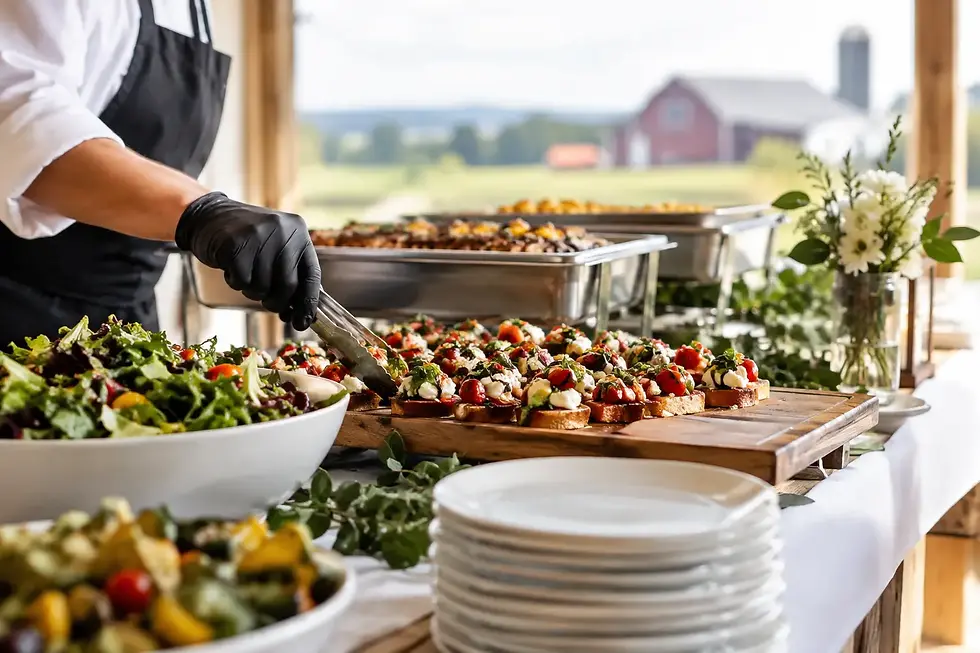
A strong order feels easy once the event starts. Guests know what to grab. The table looks full. The food holds up. Nobody is asking where the rest of the meal is, and you are not scrambling to stretch portions in the last half hour.
That’s really the goal of this guide to italian food catering. Not just getting enough food, but getting the right kind of food for your people, your timing, and your budget. When you plan with that in mind, Italian catering does what it does best - it brings everybody to the table without making the host work twice as hard.
If you’re ordering for your next party, office lunch, or family event, think less about impressing everyone with too many choices and more about serving a meal people will actually enjoy from first slice to last tray.


Comments