


How to Order Party Food Without Stress
A party can feel easy right up until the moment you realize you still have to feed everybody. That is usually when hosts start searching for how to order party food and hoping they do not overbuy, underbuy, or end up with a table full of stuff nobody really wants. The good news is that ordering well is not complicated. You just need a plan that matches your crowd, your timing, and the kind of food people actually get excited to eat.
The best party orders are not built around guesswork. They are built around appetite, convenience, and a few smart choices that keep things moving once guests arrive. Whether you are feeding a birthday crowd, a game-day group, an office team, or a family gathering, the goal is simple: enough food, the right variety, and no last-minute panic.
How to order party food for the kind of party you are actually hosting
Start with the event itself, not the menu. A two-hour afternoon get-together calls for a different order than a Saturday night birthday party. If people are stopping by, mingling, and leaving, lighter finger foods may do the job. If they are staying for hours, drinking, or showing up hungry at dinnertime, you need real meal food.
This is where hosts often make the first mistake. They order based on what sounds good instead of what the event demands. Pizza, pasta trays, salads, wings, and hot appetizers tend to work because they fit a lot of party formats. They are easy to serve, familiar to most guests, and filling enough to keep the night on track.
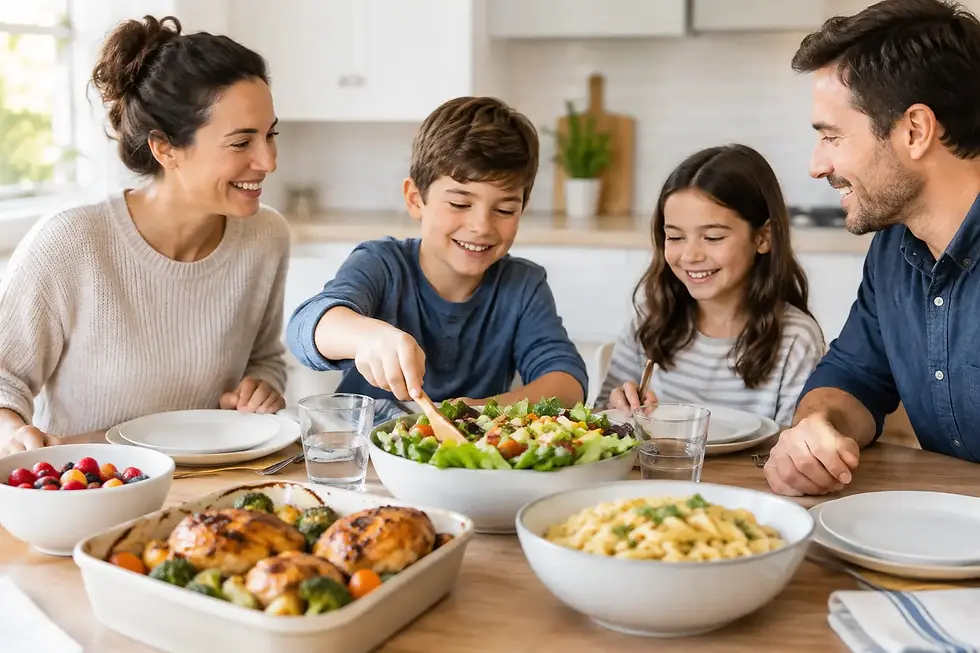
Think about how guests will eat. Will they be seated at tables, balancing plates while standing, or grabbing food between conversations? The less formal the setup, the more your order should lean toward food that is easy to carry, share, and go back for. Big trays and sliced pies usually outperform anything fussy.
Get your headcount right before you place anything
If you want to know how to order party food without wasting money, this is the part that matters most. An estimated headcount is not enough. You need a realistic headcount.
There is always a difference between the number invited and the number likely to eat. A kids' party with parents hanging around has one math problem. An office lunch where everybody expects a full meal has another. A graduation party with an open-house format can swing all over the place depending on the time window.
A good rule is to count confirmed guests first, then decide how much cushion you need. If the party is casual and people may come and go, a little extra helps. If it is a tightly timed event with RSVPs, you can order more precisely. The trick is not ordering for fantasy attendance.
Appetite matters too. A lunch crowd often eats a little lighter than a dinner crowd. Teenagers can out-eat adults. Game-day groups usually keep snacking longer than you think. If alcohol is involved, people tend to linger and circle back for more food. It depends on the group, which is why generic portion advice only gets you so far.
Choose a menu with range, not chaos
Variety is good. Randomness is not.
One of the smartest ways to order party food is to build around a few proven crowd-pleasers and then add a couple supporting items. That usually works better than trying to offer a little bit of everything. Too many choices can be expensive, harder to manage, and surprisingly less satisfying if there is not enough of any one item.
Pizza is one of the easiest anchors because it covers a lot of ground quickly. Different toppings give guests options without complicating service. Pasta trays add a more substantial feel and help feed bigger appetites. Salads and appetizers round things out so the table does not feel one-note.
The right mix depends on who is coming. Families usually do well with familiar favorites and simple variety. Office groups often appreciate a balance of hearty items and lighter options. For a sports party or birthday, shareable foods with strong flavor tend to go fast. Think less about impressing people with novelty and more about making sure the food gets eaten.
If there is one specialty item you know your group will love, that can be the move that makes the whole spread feel memorable. A standout pie or signature tray gives people something to talk about without forcing the entire menu into “adventurous” territory.
Portion planning matters more than most hosts think
This is where budgets get blown or guests leave hungry.
If the party food is the meal, order like it is the meal. If the food is part of a larger event with dessert, drinks, and snacks, you can scale back a bit. Hosts often forget that side dishes do not replace main food unless guests see them that way. A salad tray looks great, but it usually does not reduce pizza demand as much as people think.
For mixed menus, balance heavy items with lighter ones, but do not confuse lighter with optional. Guests love having a salad or appetizer on the table, yet they still expect enough hot food to count as dinner. That is especially true at evening parties.
It also helps to think in waves. What will people eat first? What will still hold up if they go back 45 minutes later? Pizza, wings, and baked pasta usually perform well because they satisfy immediately and still make sense as second-helping food. Delicate items can lose their appeal once the party gets busy.
When in doubt, ask the restaurant what sizes and combinations work for your guest count. Restaurants that handle group orders regularly can spot a too-small order fast, and they can usually tell you where extra food is worth it and where it is not.
Timing your order is half the battle
Great party food ordered too late is still a problem.
If you are planning for a weekend, a holiday, or a peak mealtime event, do not wait until the day of the party to figure it out. The earlier you order, the better your chances of getting the pickup or delivery window you actually want. This is especially true for larger orders and catering trays.
There is also a difference between when the party starts and when the food should arrive. If guests are walking in at 6:00, having hot food show up at 5:15 can leave you trying to keep everything warm. But having it arrive at 6:20 means people are standing around hungry. The sweet spot depends on setup time, how formal the event is, and whether guests will eat right away.
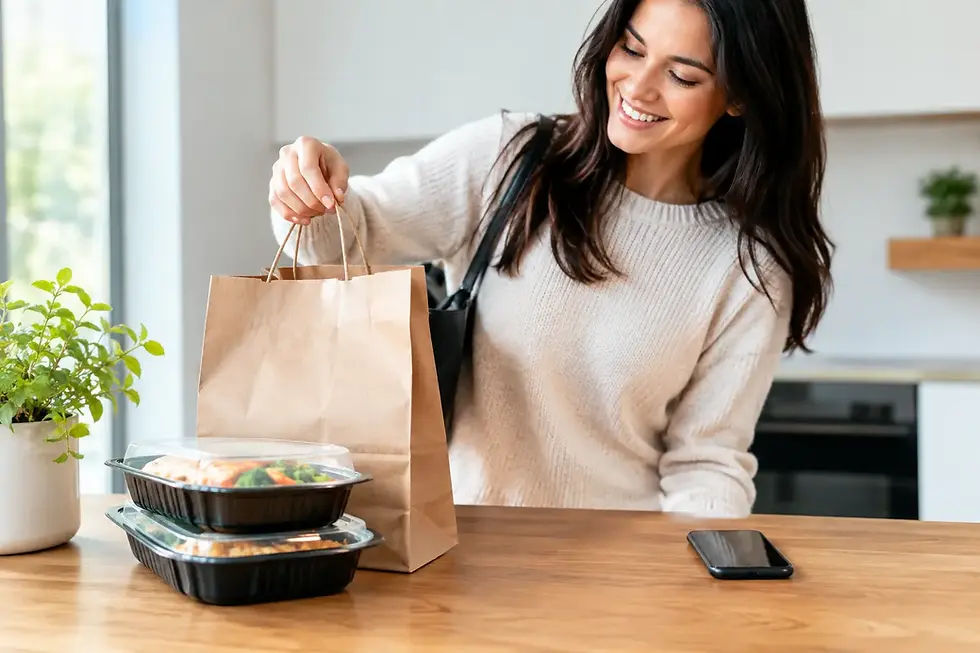
Pickup versus delivery matters too. Pickup can give you more control if you are already out running errands and want the food exactly when you want it. Delivery is a lifesaver when you are hosting and cannot leave the house. Neither is automatically better. It depends on your timeline, your setup, and whether you want one less thing on your plate.
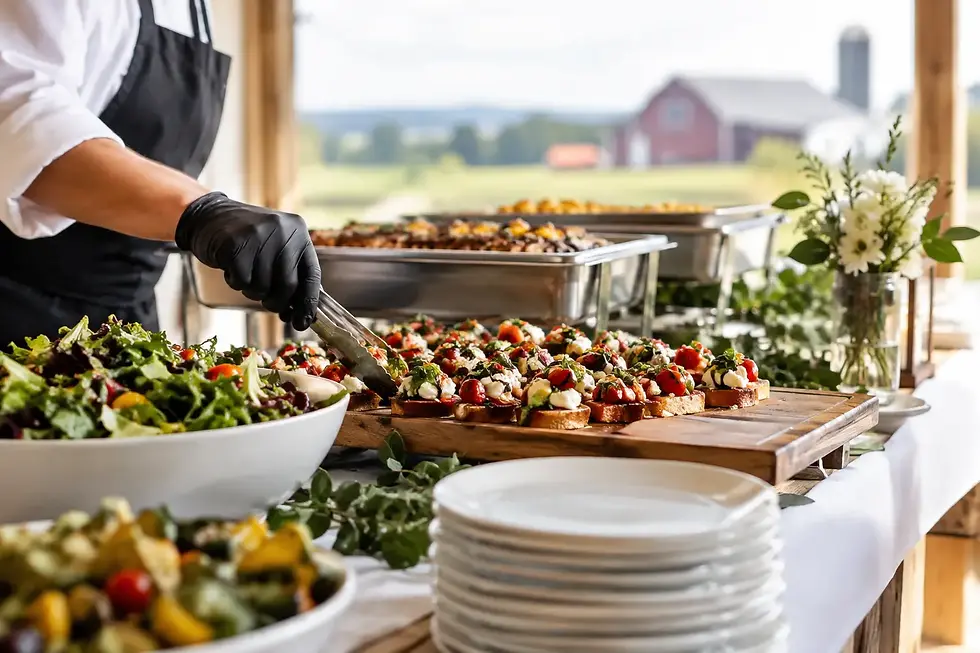
For bigger events, catering can make more sense than ordering individual menu items. Trays are built for groups, easier to serve, and often less chaotic than piecing together a large order item by item.
Do not ignore the practical stuff
The food is the star, but the details can still trip you up.
Before you finalize the order, think about plates, napkins, serving utensils, and table space. Think about where hot food will go and whether you need to keep anything warm. Think about dietary needs too, but keep that part grounded. You do not need a separate menu for every possible preference, though it is smart to include at least a couple flexible options when you know your guest list.
Also pay attention to how food will be labeled or identified once it arrives. If you are ordering several pizzas or multiple trays, make sure you can tell what is what without opening everything and slowing the line down. A little organization at the start makes the party feel much smoother.
If you are ordering online or through an app, double-check the cart before checkout. It sounds obvious, but this is where duplicate items, missing sides, or wrong quantities sneak in. If the order is large or customized, a quick phone call can sometimes save a headache.
The best party orders feel generous, not excessive
Hosts sometimes think abundance means ordering as much as possible. It does not. A good party spread feels full, easy, and satisfying. People can grab what they want, go back for more, and never feel like they are waiting on food or sorting through a confusing table.
That is why dependable crowd-pleasers win so often. A great pizza spread, strong Italian favorites, and a couple well-chosen extras can carry almost any party without making the order complicated. For local hosts planning a birthday, office lunch, family gathering, or game-day setup, places like DiMaria's in Mt. Joy make this easier because the menu already fits the job - shareable, filling, and built for both quick orders and larger catering needs.
If you are still overthinking it, here is the simplest test: order food people will be excited to eat, in portions that match the occasion, early enough that you are not scrambling. When the doorbell rings and the table fills up fast, you will know you got it right.
Comments