


Pizza Delivery Review: What a Great Order Looks Like
A useful pizza delivery review starts at the front door, not with the first bite. Was dinner still hot? Did every topping make it onto the right pie? Did the crust survive the ride with its crunch intact? For busy families, hungry coworkers, and anyone calling it a night after a long day, those details are the difference between a convenient meal and a genuinely great one.
Delivery pizza has a tough job. It has to leave the oven at its best, travel well, arrive as ordered, and still feel like something worth gathering around. A great review looks beyond a single star rating and focuses on what actually makes a delivery order memorable.
A Pizza Delivery Review Starts With the Pizza
The first test is simple: open the box. A good pizza should look like it was made for you, not like it lost a fight with the delivery bag. Cheese should be melted and inviting, toppings should be spread with care, and the slices should be intact enough to serve without a spatula.
For New York-style pizza, the crust matters just as much as the toppings. The outer edge should have some bite, while the center should be flexible enough for that classic fold. A slice that turns limp and soggy before it reaches the plate can ruin an otherwise solid order. On the other hand, an overly dry crust can make even a generous topping load feel like a chore.
Sauce and cheese deserve their own attention. A balanced slice has enough sauce to bring brightness and flavor without soaking the dough. The cheese should be generous, but not piled on so heavily that it slides off in one dramatic pull. There is a sweet spot, and the best delivery pizzas hit it consistently.
Specialty pies need the same scrutiny. A square, Grandma-style pizza should have a distinct crust texture and a flavor profile that earns its place on the menu. It cannot simply be a round pizza cut differently. If you are feeding a group, a 16-slice pie can be a smart move, but only if every corner and center slice arrives with the same care.
Timing Is Part of the Meal
No one expects every delivery to move at the exact same speed. Friday nights, bad weather, a big local event, and a rush of dinner orders can all change the clock. What customers should expect is a clear, realistic experience from the moment they order.
A strong delivery operation provides an estimated window, prepares food in a sensible order, and keeps customers informed when the evening gets unusually busy. Fast matters, but honest timing matters more. It is much easier to plan dinner around a realistic estimate than to wonder whether the order was missed.
When your food arrives, check the temperature before you judge the experience. Pizza should be hot enough that the cheese is still soft and the aroma fills the room when the lid lifts. Hot pasta trays, wings, and sides should feel ready to serve, not like they have been waiting on the counter. Cold drinks, meanwhile, should stay cold. That sounds basic, but it is a real sign that an order was packed and carried with care.
There is a trade-off here. A restaurant that rushes a pie out before it is properly baked might shorten the wait, but it will not improve dinner. The best delivery balances speed with the few extra minutes needed to send food out at its peak.
Order Accuracy Shows Respect for the Customer
A delivery meal is often planned around specific people. One kid wants plain cheese. Someone skips onions. Another person ordered a side salad, extra dressing, or a gluten-conscious option. When a restaurant gets the details right, it shows that convenience did not come at the expense of attention.
Before calling an order excellent, look at the full package. Are the pizzas correct? Are the requested toppings there? Did the appetizers, sauces, utensils, napkins, and drinks make the trip? If the order includes several meals, are they clearly labeled or easy to sort out? These small details keep a group dinner from turning into a guessing game.
Mistakes happen, especially during a packed dinner rush. The real measure is how a restaurant responds. A helpful team listens, owns the issue, and works toward a fair fix without making the customer feel like they are asking for too much. Great food brings people back. Great recovery when something goes wrong builds loyalty.
Value Is More Than the Lowest Price
The cheapest pizza is not automatically the best value. A pizza delivery review should ask whether the order fed the people it was meant to feed, tasted fresh, and delivered the quality promised on the menu. A large pie that leaves everyone satisfied can be a better deal than several smaller items that disappear before the movie starts.
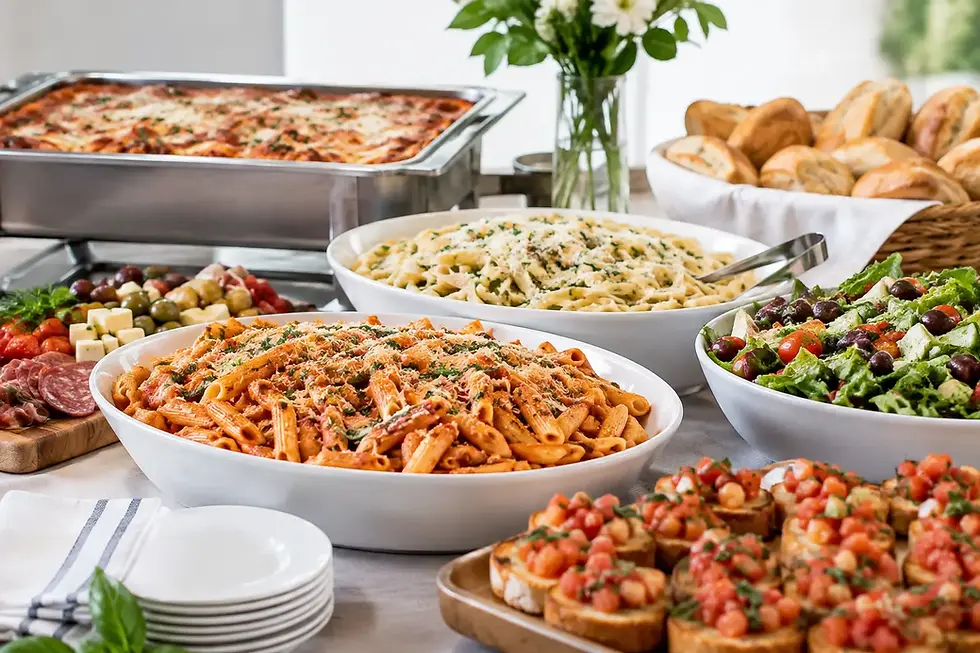
Portion size matters most when ordering for a family, office, team, or party. Think about who is eating and how the food will be served. A couple may be happy with one pie and an appetizer. A family with growing kids may need a larger pie, wings, and a pasta dish. For a crowd, the smartest order may be trays and multiple pizzas rather than trying to stretch a few individual meals.
Deals and rewards can improve value, especially for customers who order regularly. Online ordering and restaurant apps can make it easier to see current offers, save favorite orders, and earn points without digging through old coupons. The best promotion is one that is easy to use and still lets you order what your group actually wants.
At DiMaria’s in Mount Joy, direct ordering gives customers practical ways to choose delivery, build a family dinner, or plan food for a larger gathering. That matters when the goal is not just getting pizza, but getting the right amount of food to the right place without extra back-and-forth.
How to Write a Helpful Pizza Delivery Review
If you leave a review, make it useful for the next hungry customer and for the restaurant team. “Good pizza” is kind, but it does not say much. A few specifics create a review people can trust.
Mention what you ordered, particularly if it was a specialty pie, a large group order, or something beyond a plain cheese pizza. Describe the condition on arrival: hot, neatly packed, crisp, saucy, or perhaps delayed. If service stood out, say why. If there was a problem, explain it clearly and fairly, then mention whether the restaurant had a chance to address it.
Context helps, too. A Tuesday lunch delivery is different from a Saturday night order during a storm. A five-pie office order has more moving parts than dinner for two. You do not need to write a novel, but a sentence or two of real detail makes your feedback more credible than a vague complaint or a quick rating with no explanation.
Avoid judging a restaurant solely on a preference that was never part of the order. If you like extra-crispy pizza, request it. If you need plates, napkins, or extra sauce, add that note when possible. Good ordering creates a better chance of a good delivery experience.
Make the Next Delivery Easier
A little planning can improve the food that lands at your door. Order early when you know a busy night is coming. Double-check the address, phone number, apartment or office details, and any special instructions before submitting payment. If a group is splitting food, settle the pie choices first rather than adding last-minute changes while everyone is hungry.
When the order arrives, bring it inside promptly and open the boxes right away. Pizza is at its best when it is fresh from the box, not after another twenty minutes in a parked car or on a porch. For larger orders, lay everything out, count the items, and let everyone know what is what before the first slice disappears.
The best pizza delivery does more than solve dinner. It gives a family one less thing to manage, turns a casual get-together into a table full of people, and lets a busy night end with something hot, familiar, and made to share. Order with care, review with specifics, and make that first box-opening moment count.


Comments