

What Comes With Catering Trays? Your Party Plan
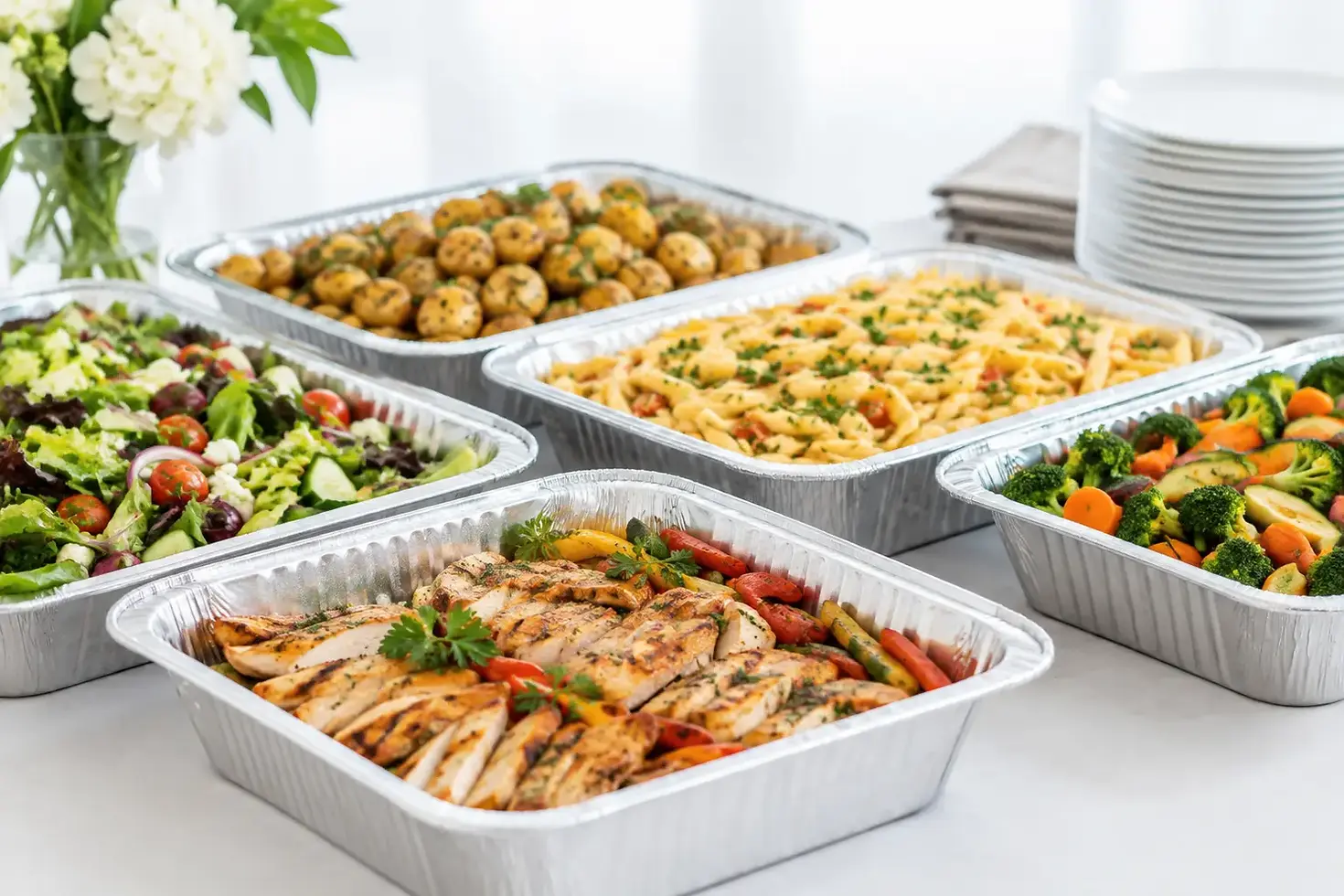
A catering tray should do more than look good when the lid comes off. If you are asking what comes with catering trays, the real answer is the food, of course, plus the practical details that make feeding a group easy: clear portions, serving utensils when needed, sauces, packaging, and a plan for keeping everything hot and ready to enjoy.
For an office lunch, birthday party, family get-together, school function, or game-day crowd, trays take the pressure off the host. You do not have to cook five different dishes or guess whether everyone will find something they like. You choose crowd-pleasing Italian favorites, pick the right amount, and spend more time with your guests.
What Comes With Catering Trays for a Group?
The core of every catering order is the tray itself: a generously portioned pan of food designed to serve multiple people. Depending on the menu item, a tray may be packed with pasta, chicken dishes, sausage and peppers, salad, appetizers, or another Italian favorite. The best choice depends on the time of day, the size of your group, and whether the tray is the main event or part of a bigger spread.
Most trays arrive in sturdy, transport-friendly pans with lids that help hold in heat and protect the food on the ride over. Hot dishes are typically packaged to stay warm, while salads and cold items are packed separately to keep them fresh and crisp. That separation matters. Nobody wants a great Caesar salad sitting under the steam of a hot baked pasta tray.
Portion counts are another essential part of the package. A tray may be described as serving a certain number of guests, but the right amount is never one-size-fits-all. A lunch meeting with several menu options calls for smaller portions per person. A dinner party where baked ziti is the centerpiece calls for more. Kids, teens, hungry coworkers, and late-night party guests all have different definitions of a serving.
When placing an order, share your guest count and the kind of event you are hosting. A good catering team can help you build an order that feels generous without leaving you with enough leftovers to feed the neighborhood for a week.
The Food Is Only Part of the Order
A well-planned catering order has a few moving parts beyond the main trays. Think of the meal as a table your guests can move through with ease. You need satisfying mains, a few supporting sides, and the small extras that make serving simple.
For Italian catering, pasta trays are a natural anchor. Baked pasta, spaghetti, penne dishes, and rich sauce-forward favorites travel well and make guests feel like they are getting a real meal, not just party snacks. Chicken entrees can add a second main option, especially for a work lunch or family gathering where people want variety.
Appetizer trays help when guests arrive at different times or when the event is built around mingling. Garlic knots, wings, mozzarella sticks, fries, and similar shareable favorites give people something to grab while the group gathers. They also help stretch the meal without forcing everyone into a formal sit-down schedule.
Salad trays bring balance to the table. They are especially useful alongside hearty pasta, pizza, and bread. Add dressing on the side when possible, particularly for events with a later start time, so greens stay fresh until serving.
Bread, rolls, or garlic knots may be available as an add-on rather than automatically included with every tray. The same can be true for grated cheese, red pepper flakes, plates, napkins, cups, and plasticware. Never assume these details are included. Ask what is packaged with your specific order, then request what your group needs.
Sauces, Toppings, and Serving Extras
The little details are where a catering setup can either run smoothly or turn into a scavenger hunt through kitchen drawers. Sauces and toppings may come with certain dishes, while others may need to be ordered separately. Wings, for example, may arrive tossed in sauce or with sauce on the side depending on the order. Pasta dishes may include their signature sauce, but extra marinara is a smart request for guests who like a little more.
If you are serving pizza or Italian trays to a mixed crowd, consider asking for a few familiar table extras: grated cheese, crushed red pepper, ranch, blue cheese, or extra marinara. This is not about overcomplicating the meal. It is about giving guests easy choices without requiring the host to leave the party and make a grocery run.
Serving utensils are just as important. Large pasta trays need spoons or tongs. Salad needs its own set of tongs. Appetizers may be easy to pick up by hand, but saucy items are not. Plates, napkins, forks, knives, cups, and serving utensils can make or break an office lunch, especially if the event is at a location without a stocked kitchen.
If your food will be set out for more than a short meal, ask about chafing racks, sternos, or reheating instructions. Not every catering order includes warming equipment, and not every dish should sit out for hours. A quick conversation before ordering prevents last-minute surprises.
Delivery and Setup: What to Expect
Delivery is often the biggest reason people choose catering trays in the first place. Instead of assigning someone to pick up multiple bags, you can have the food delivered to your home, office, school, or event space. For larger orders, placing your request ahead of time gives the kitchen and delivery team room to prepare everything properly and arrive when you need it.
Delivery generally means the food is brought to the location and handed off, but full setup can vary. Some orders are designed for easy drop-off: labeled trays, packaged sides, and everything ready to place on a table. Others may need more detailed coordination, particularly for a large corporate event, a school function, or a party with a strict serving time.
Have a few details ready when you order: the event date, requested delivery time, full address, contact number, estimated guest count, and any instructions for entering the building. If there is a loading dock, a back entrance, a gate code, or a receptionist who needs to be notified, say so early. The smoother the handoff, the hotter the food and the happier the host.
How Many Trays Should You Order?
Start with your headcount, then consider the rest of the menu. If you are serving two hearty pasta trays, a salad, bread, and a few appetizers, guests will have plenty to choose from. If the event includes only one main dish, add enough sides and extra portions to account for bigger appetites.
Variety is usually more valuable than ordering five versions of the same thing. One classic pasta tray, one chicken or meat option, a salad, and a shareable appetizer spread can cover a lot of preferences. For vegetarian guests, make sure there is at least one substantial meatless choice rather than treating the salad as their entire meal.
Pizza can also be a strong catering move for casual events. It is fast to serve, familiar to every age group, and easy to portion. A mix of classic pies and a bold specialty option keeps the table exciting. At DiMaria’s in Mt. Joy, a 16-slice GranMa Pie is the kind of centerpiece that gives a crowd something to talk about before the first slice disappears.
Questions Worth Asking Before You Place the Order
Before you lock in catering trays, confirm what each tray serves, whether it includes bread or salad, which sauces come with the order, and whether plates and utensils are available. Ask how the food will be packaged, whether it arrives hot, and what to do if your event begins later than the delivery time.
Also mention allergies and dietary needs early. A restaurant can guide you toward menu choices, but guests with serious allergies need clear information and careful planning. It is always better to ask before the order is made than to discover a problem after the trays are on the table.
The best catering order feels easy because the details were handled before the doorbell rings. Choose food your guests already love, give yourself a little breathing room on portions, and make sure the serving basics are covered. Then let the trays do their job: bring everyone to the table and keep the good times moving.



Comments