

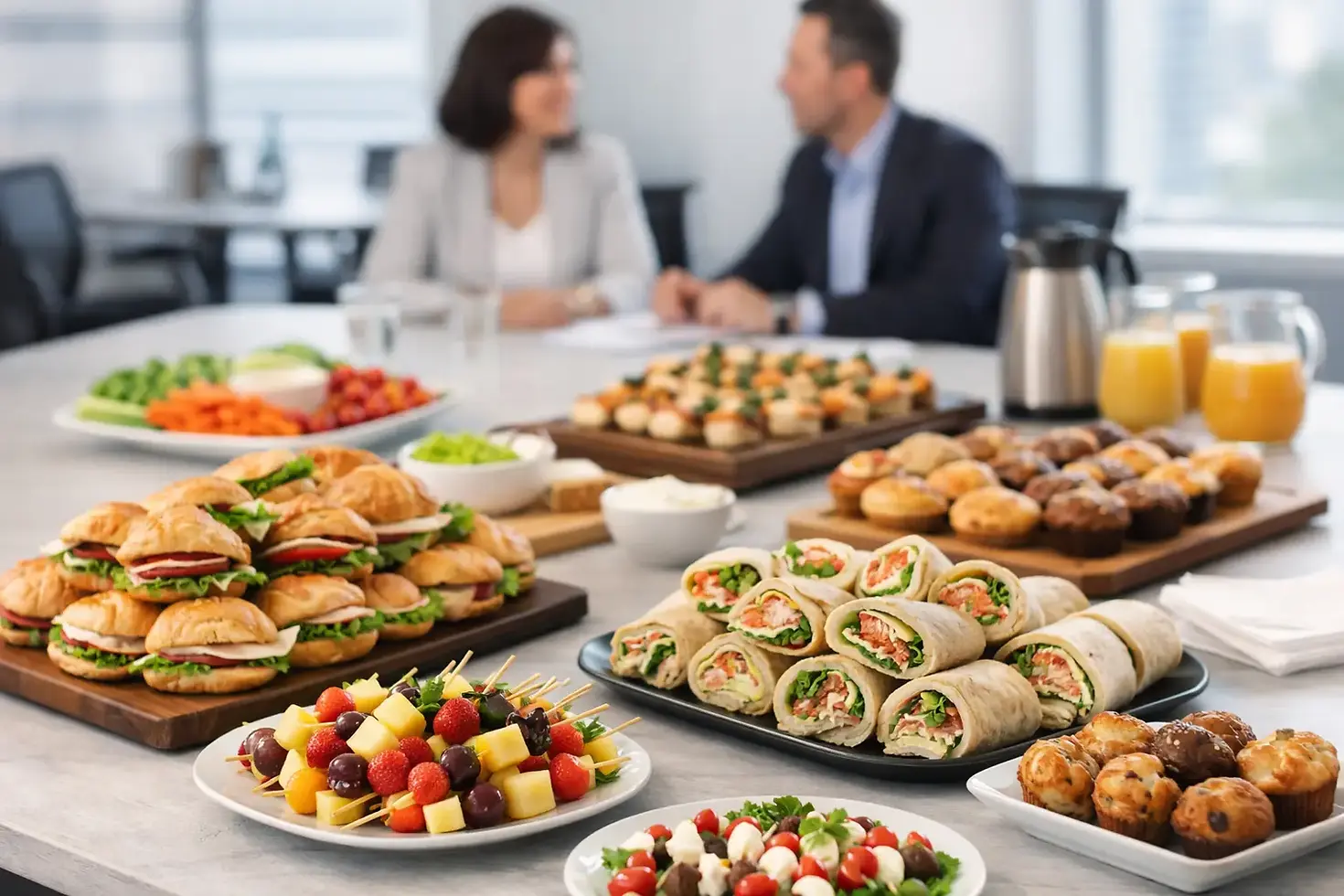
10 Best Catering Foods for Meetings
A meeting can go off the rails fast when the food misses. Too messy, and nobody wants to touch it before a client call. Too light, and the room is hungry again in 20 minutes. The best catering foods for meetings hit a simple target - easy to serve, easy to eat, and strong enough to keep people happy without slowing the day down.
That usually means skipping anything fussy and going with food people already know they like. In most offices, crowd-pleasers beat trendy every time. If you are ordering for a sales lunch, training day, board meeting, school staff event, or team huddle, the smartest catering choices are the ones that travel well, portion cleanly, and work for a mix of appetites.
What makes the best catering foods for meetings?
Meeting food has a job to do. It is not trying to steal the show from a wedding dinner or holiday banquet. It needs to arrive on time, stay appealing for a reasonable stretch, and fit the pace of the room.
That is why the best options are usually built around convenience and familiarity. People may only have a short break. Some will eat quickly and get back to notes. Others will be balancing a plate on their lap while listening. Food that needs cutting, assembling, or extra cleanup tends to create friction.
Temperature matters too. A catered meal does not need to be restaurant-perfect the second it lands, but it should still taste good after a few minutes on the table. Pizza, baked pasta, chicken cutlets, salads, and sandwich trays all perform well here because they hold up better than foods that wilt, separate, or go soggy fast.
There is also the question of mood. A breakfast brainstorm calls for something different than a noon strategy session. A long afternoon meeting needs more staying power than a quick 30-minute check-in. Good catering matches the schedule, not just the headcount.
The best catering foods for meetings, ranked by what actually works
1. Pizza
Pizza earns its spot at the top because it solves more meeting problems than almost any other food. It is easy to portion, easy to pass around, and familiar enough that nearly everyone will find a slice they want. It also works for casual internal meetings and plenty of client-facing lunches when the environment is relaxed.
The trade-off is that pizza works best when you order with the room in mind. A mix matters. Cheese and pepperoni cover the basics, but adding a veggie pie or a specialty option gives the table range without making it complicated. Large-format pies cut into multiple slices are especially useful for meetings because they let people take one or two pieces and keep moving.
2. Pasta trays
If pizza is the easiest grab-and-go meeting food, pasta trays are the comfort-food workhorse. Baked ziti, penne with red sauce, pasta primavera, or lasagna-style trays can feed a group efficiently and feel more substantial than finger food.
Pasta is a smart move for longer meetings, training sessions, and working lunches where people need a real meal. It is filling without being too fancy, and it usually holds heat well during service. The main thing to watch is portion planning. Pasta disappears quickly when it is the only main dish, so pairing it with salad, bread, or a second entree helps the order feel complete.
3. Salad trays
A good salad tray keeps the spread balanced. It also helps when not everyone wants a heavy lunch, especially in midday meetings where people still need to stay sharp through the afternoon.
This does not mean a boring bowl of lettuce on the side. A strong catering salad should have texture, color, and enough substance to hold its own on the table. House salads, Caesar salads, and Italian-style chopped salads tend to work well because they appeal to a broad group. Dressing on the side is usually the safer call, since it keeps greens fresher and lets people portion to taste.
4. Chicken parm or chicken cutlet trays
For meetings that need something heartier than pizza but still approachable, chicken trays are a strong middle ground. Chicken parm brings that classic Italian comfort people love, while breaded or grilled cutlets can be served in a way that is easy to portion.
These trays work well for office lunches, school staff meals, and team celebrations where guests expect something more like a full lunch. The trade-off is that they are a little less effortless than pizza. You will want serving utensils, plates, and enough space for people to move through the line without bottlenecking.
5. Sandwich and wrap platters
Sandwiches and wraps are one of the safest choices for more formal meetings or mixed dietary groups. They are neat, familiar, and easy to eat while talking through an agenda. They also work well when people may be arriving and leaving at different times.
The only downside is that sandwich platters can feel forgettable if the quality is average. Fresh bread, solid fillings, and clean presentation make the difference. Smaller cut portions are ideal because they give people flexibility to take a few pieces instead of committing to one oversized sandwich.
6. Stromboli and calzone-style options
These are underrated meeting foods when you want the comfort of pizza in a slightly different format. Stromboli slices, in particular, are easy to serve and hold together well, which makes them less messy than some saucier entrees.
They also offer nice variety for teams that order often and want something beyond the usual pie rotation. Just make sure there is balance on the table. Stromboli is rich, so it pairs best with salad, chips, or lighter sides.
7. Breadsticks, garlic knots, and sides
The supporting cast matters. Sides help stretch the meal, satisfy bigger appetites, and make the spread feel more generous without overcomplicating the order.
Garlic knots, breadsticks, roasted vegetables, and similar add-ons work well because they are shareable and low-stress. They are not the main event, but they can save a meeting lunch from feeling skimpy. If your group includes big eaters, sides are where smart planners avoid the classic mistake of under-ordering.
8. Antipasto and appetizer trays
For networking events, shorter meetings, or late afternoon gatherings, appetizer trays can make more sense than full entrees. Antipasto platters, mozzarella sticks, stuffed breads, or mixed Italian starters give people something satisfying without the weight of a full lunch.
This is where context really matters. App trays are great when the goal is grazing and conversation. They are not always enough for a two-hour lunch meeting unless you order generously and include more substantial items.
9. Desserts
Dessert is not mandatory for every meeting, but it can be a smart add for celebrations, client thank-yous, and end-of-quarter lunches. Cookies, brownies, cannoli, or small pastries land better than oversized single desserts because they are easier to grab and less disruptive to the flow.
Sweet extras also create a little goodwill. That sounds small, but anyone who has planned a meeting meal knows those details get remembered.
10. Drinks that match the pace
Food gets most of the attention, but drinks can make the order feel complete. Bottled water and canned sodas are simple, clean, and efficient for meetings because they do not create extra setup. Coffee can be a strong addition for breakfast or afternoon sessions.
The best choice depends on the room. A working lunch with notebooks and laptops usually benefits from low-mess, individually served drinks. It is one less thing for the organizer to manage.
How to build a meeting catering order that actually works
Start with the length and tone of the meeting. A quick internal team lunch can lean heavily on pizza and sides. A longer session may need a combination like pasta trays, salad, bread, and drinks. If the meeting includes guests or clients, cleaner formats like sandwich platters, chicken trays, and salads may fit the setting better.
Next, think about how people will eat. If they are seated at a conference table with limited space, handheld or easily portioned food wins. If there is a break with buffet access, trays and entrees become more practical.
Then look at your group itself. Every office has light eaters, big eaters, and at least a few people looking for vegetarian options. The safest move is variety without chaos. Two or three strong mains, a salad, a side, and drinks will usually cover a meeting better than trying to please every individual preference with a dozen separate items.
If you are ordering for a team in Mount Joy, Lancaster County, or nearby towns, it helps to use a local caterer that already understands office timing, delivery windows, and group-friendly packaging. That is where a restaurant built for takeout, delivery, and catering can save you a lot of trouble. DiMaria’s in Mt. Joy is a good example of the kind of spot that can handle trays, pizzas, and event-friendly ordering without making the process feel complicated.
Common mistakes to avoid
The biggest mistake is under-ordering. Meeting hosts often try to keep it tight, then end up with a table that feels picked over halfway through lunch. The second mistake is choosing food that fights the room - sloppy sandwiches, fragile salads, or dishes that require more setup than the meeting allows.
Another common miss is ignoring timing. Food that arrives too early can lose its appeal before the meeting break starts. Too late, and the entire schedule gets pushed. Reliable delivery matters just as much as the menu itself.
The right meeting food does not need to be complicated. It just needs to be generous, familiar, and easy for real people to enjoy while they are getting work done. Order the kind of meal people are glad to see on the table, and the meeting starts on a better note before anyone says a word.


Comments