


How to Choose Pizza Sizes for Any Group
A pizza order can go from perfect to painfully short with one wrong assumption: that every person will eat two slices. When you are figuring out how to choose pizza sizes, the real question is not just how many people are coming. It is who is eating, what else is on the table, and whether you want zero leftovers or enough cold pizza for tomorrow.
A good order feels generous without becoming a fridge challenge. Use slice counts as your starting point, then adjust for appetite, pizza style, toppings, and the occasion. That is how you keep dinner moving, the party fed, and everyone focused on the good stuff.
How to Choose Pizza Sizes by Slice Count
Pizza diameter matters, but slices are what people actually grab. A small pizza may work for one person or two light eaters. A larger pie can feed a family or become the foundation of a game-day spread. The trick is knowing that a bigger diameter adds more pizza than it looks like it would.
As a simple planning rule, expect adults to eat two to three standard slices when pizza is the main meal. Teens, athletes, and anyone arriving very hungry may easily hit three or four. Young children often eat one or two slices, although that can change fast if the pizza is their favorite.
If pizza is only part of the meal, people usually eat less. A table with salads, wings, pasta, garlic knots, and dessert needs fewer slices than a table with one lonely box of cheese pizza. For a casual lunch, two slices per adult may be enough. For dinner after a long workday, plan closer to three.
Here is a practical way to think about the order: a pizza cut into eight slices typically feeds two to three adults as a main meal, while a 16-slice pie can cover a bigger group, especially when paired with sides. The exact number depends on the pie's diameter, crust, and cut, so treat slice math as a guide rather than a promise.
Start With the Occasion, Not the Headcount
The same six people can require wildly different pizza orders. A family movie night has different needs than an office lunch or a birthday party full of kids running around.
For a weeknight family dinner, order for the people actually eating and add a little breathing room. Leftovers are not a failure - they are tomorrow's easy lunch. If you have two adults and two children, one larger pie plus a side may be plenty, but a second smaller pie can make sense when toppings are divided.
For a party, assume the guest list is only the beginning. Some people will arrive hungry, some will bring friends, and some will suddenly decide they want “just one more slice.” Add roughly 10 to 20 percent more food than your base estimate for a relaxed, no-stress spread. That buffer matters even more for evening parties, watch parties, and gatherings where drinks are involved.
For an office lunch, pizza competes with schedules. People may grab a quick slice before a meeting, while others return for seconds later. Order a mix of familiar choices and make sure there is enough plain cheese or a simple meat option. A spread that is all adventurous toppings can leave half the room hunting for lunch elsewhere.
Match the Pie to Your Crowd
Choosing the right size is only half the job. The right combination of pizzas is what keeps everyone happy.
One huge pie may be efficient, but two different pies can be smarter for a group with mixed tastes. If half the table wants pepperoni and the other half wants vegetables, split the order instead of making everyone compromise. For families, a reliable cheese pie paired with a more loaded option often solves the problem.
Toppings also affect how filling a slice feels. A plain cheese slice is easy to eat quickly. A pizza loaded with sausage, peppers, onions, extra cheese, or a thicker crust can satisfy people sooner. If you are ordering hearty specialty pies, your group may need slightly fewer slices. If you are ordering lighter pies with a crisp, thin New York-style crust, a few guests may reach for an extra slice.
Dietary needs deserve a little planning, too. Ask ahead about vegetarian preferences, allergies, and picky eaters. It is easier to add one thoughtful option than to watch someone pick toppings off a slice they did not want. When ordering for a larger crowd, label the boxes or set them out in a way that makes choices obvious.
Do Not Forget Sides and Salads
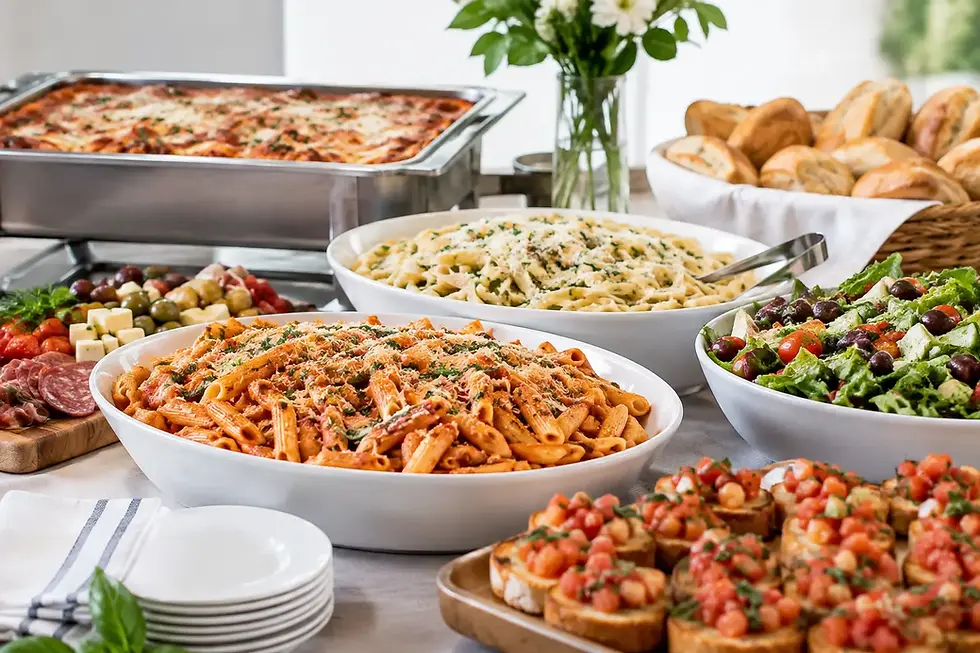
Sides can turn a pizza order from “maybe enough” into a real meal. A large salad, wings, pasta tray, or garlic knots can reduce the number of pizza slices each person needs while giving the table more variety.
This is especially helpful for gatherings. Adults may start with salad or wings, kids may go straight for cheese slices, and someone who is not very hungry can still build a satisfying plate. If your menu includes several substantial sides, calculate pizza at about two slices per person, then add a small cushion.
There is a trade-off, though. Sides are great for variety, but they do not replace pizza for guests who came specifically for pizza. If the event is built around the pie, make sure the pizza remains the star. Think of sides as support, not a reason to underorder.
The 16-Slice Question
A 16-slice pizza changes the math in a useful way. Smaller slices make it easier for guests to try more than one topping, and they give kids or lighter eaters a manageable portion. They also work beautifully for groups where people are grazing rather than sitting down for a full meal at the same time.
At DiMaria’s, the Her Majesty GranMa Pie is cut into 16 slices, making it a strong choice when you want a crowd-friendly pie with real New Jersey-style personality. It is especially handy for game days, family get-togethers, and office tables where people keep circling back for another square.
Do not assume 16 slices always means 16 people, though. Slice count and serving count are not identical. For a meal, a hungry adult may eat three or four smaller squares. For an appetizer spread with other food available, one or two squares per guest may be just right.
When to Size Up
If you are on the fence between two order sizes, size up when the group includes hungry teenagers, late-night guests, people coming straight from work, or a long event with no other main food. Pizza disappears quickly in those situations.
You should also order extra when delivery timing matters. It is much easier to reheat a leftover slice than to place a second order after everyone has already eaten the first round. For catering, give yourself an even wider margin. A meeting that runs long or an attendance list that grows can turn a carefully counted order into a shortage.
Leftovers are part of the value. Cold pizza has its loyal fans, but reheating in a skillet, oven, or air fryer can bring back a crisp crust and melty cheese. A little extra can mean an easy lunch, a quick after-school snack, or a next-day win.
A Simple Pizza Planning Formula
For a main meal, multiply the number of adults by three slices and the number of children by two slices. Then add a few extra slices for big appetites or unexpected guests. If you are serving substantial sides, reduce the adult estimate to two slices per person, but keep the extra buffer for parties.
For example, a dinner for four adults and three children starts at about 18 slices: 12 for adults and six for kids. Add a couple of slices if the group is especially hungry, or keep that number if you also have salad and wings. A 16-slice pie plus a smaller pizza or side dish gives you flexibility without going overboard.
For a party of 12 adults with pizza as the main event, plan for around 36 slices, then consider adding more if the event runs through dinner. That could mean several pies in different flavors rather than one giant same-topping order. Variety keeps the table happy, and an extra box keeps the host relaxed.
The best pizza order is the one that lets everyone eat what they want without counting the last slice. Plan for the moment, know your crowd, and give yourself enough room for someone to say, “Actually, I’ll have one more.”


Comments