


Pizza Ordering App Trends That Make Dinner Easier
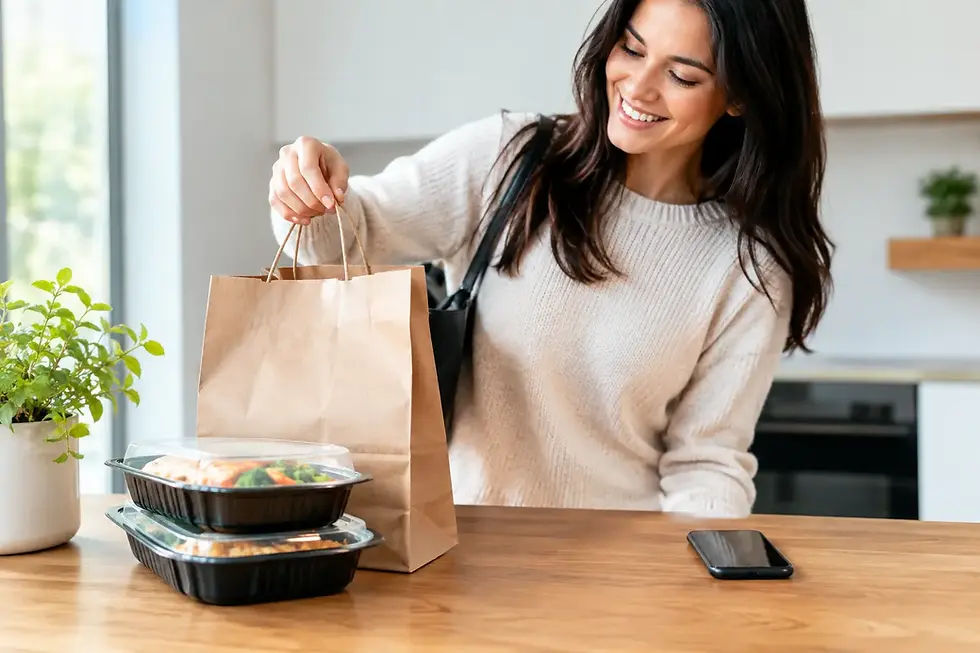
The group text says, “Pizza?” By the time everyone agrees on toppings, somebody is already hungry. That is where pizza ordering app trends earn their place: they cut out the repeated questions, keep favorite orders handy, and make it easier to get a hot dinner moving without a phone call or a kitchen full of dishes.
For families racing through weeknights, coworkers feeding a late shift, and hosts trying to cover a crowd, the best ordering technology is not about flashy features. It is about getting the right pie, the right extras, and the right deal without adding more work to the night.
Pizza Ordering App Trends That Actually Help
The biggest shift is simple: customers want control without complication. A good pizza app lets you choose delivery or pickup, build an order at your own pace, and check every detail before it hits the kitchen. That matters when one person wants extra cheese, another wants no onions, and somebody remembers at the last second that they need a side of garlic knots.
Apps have also changed what “convenient” means. Convenience is not just tapping a button. It is knowing the menu is current, seeing whether a special applies, receiving a realistic pickup or delivery estimate, and being able to repeat last Friday’s order in seconds.
The best pizza ordering app trends remove friction before hunger turns into frustration.
Saved favorites are replacing the weekly order debate
Most people do not want to rebuild their usual order from scratch. They want their family pie, their personal favorite, or their reliable game-night spread waiting in their order history. Saved favorites and one-tap reorders are becoming essential because they respect the way people actually buy pizza: often, repeatedly, and on a deadline.
That does not mean every order has to be predictable. A smart app makes the familiar easy while leaving room to try something new. Maybe the usual is a classic New York-style cheese pie, but tonight calls for a bold specialty choice like a Grandma pie with that crispy, square-cut appeal. The app should make both paths clear.
Customization needs to be clear, not chaotic
Customization is a major reason customers choose direct ordering. But too many choices can slow everything down. The strongest apps organize options in a natural order: size first, then crust or style, toppings, special instructions, and sides.
Clear customization also protects order accuracy. “Light cheese” and “no cheese” are not the same thing. Half-and-half toppings, allergy notes, and sauce preferences need room to be stated without forcing customers to type a novel into a comment box.
There is a trade-off here. Not every request can be guaranteed, especially during a Friday-night rush or when it changes how a menu item is prepared. The app should make customers feel heard while setting honest expectations. Clear notes beat surprise substitutions every time.
Direct Ordering Is About More Than Speed
Third-party delivery marketplaces have made it easy to browse a lot of restaurants at once. They can be useful when customers are in a new area or deciding between several cuisines. But when someone already knows where they want pizza from, a restaurant’s own app often delivers a better experience.
Direct ordering can put restaurant-specific specials, full menu options, and loyalty rewards in one place. It also gives regulars a clearer connection to the neighborhood spot they support. Instead of treating pizza like a generic item in a crowded feed, customers can order from a place they know, with the menu and personality that brought them back in the first place.
For local restaurants, that connection matters. A direct app can support repeat business without making every customer hunt for a coupon or remember a password. For customers, it can mean fewer steps between “We need dinner” and “Dinner is on the way.”
Rewards are becoming part of the meal plan
Loyalty programs are no longer just a punch card with a digital makeover. Customers expect rewards to be easy to understand and easy to use. They want to see their points, know what they can earn, and apply a reward without jumping through hoops at checkout.
The trend is moving toward rewards that match real ordering habits. A family that orders every other week may value money off a larger order. A lunch customer may prefer a quick perk on a personal meal. A party host may care more about a deal that helps stretch a catering budget.
The key is value without confusion. If a deal has restrictions, show them clearly. If a promo only works for online ordering, say so before the customer reaches the payment screen. Good rewards make people feel appreciated. Hidden conditions make them feel like they missed a trick.
Group Orders Are Getting Smarter
Pizza is built for groups, but group ordering can get messy fast. One person collects everyone’s choices, someone forgets drinks, and the final count changes after the order is placed. That is why apps are starting to put more attention on bundles, shareable formats, and easy add-ons.
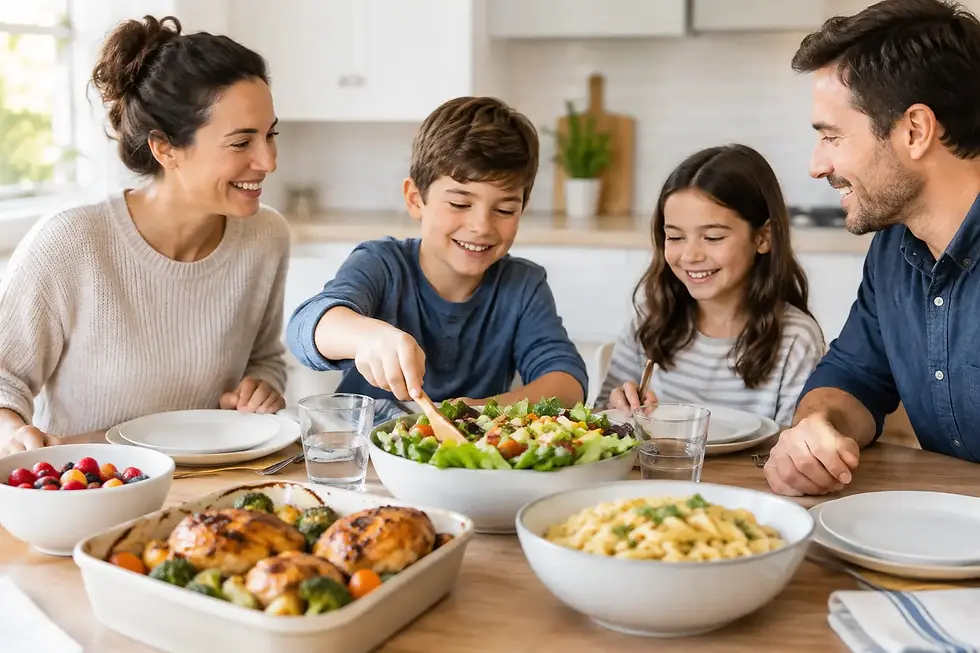
For a family dinner, that might mean a large pie, a salad, and a side that keeps everyone happy. For an office lunch or school event, it may mean trays, multiple pies, and a simple way to estimate how much food a group needs. The most useful ordering tools do not just sell more food. They help customers order enough food with confidence.
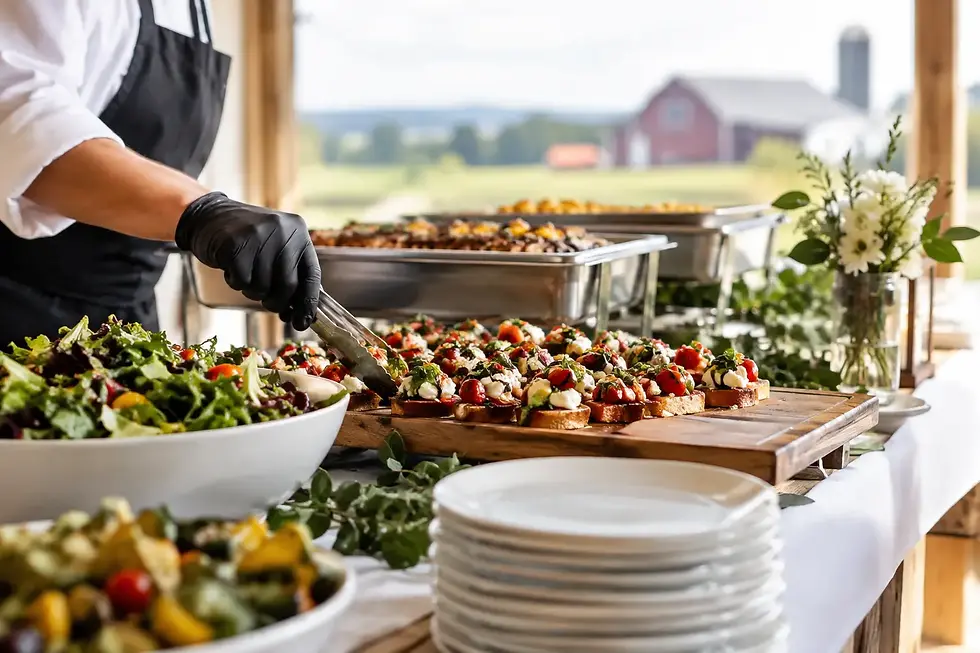
Catering is where this matters even more. Large orders need lead time, clear pickup or delivery details, and a way to communicate special requests. An app cannot replace a real conversation for every event, especially weddings, major office functions, or complicated dietary needs. But it can make the first step much easier by giving hosts a clear starting point.
At DiMaria’s, that same convenience works for a quick weeknight pie or a bigger table full of Italian comfort food. The order may be different, but the goal is the same: feed people well without making the person in charge do all the work.
Real-Time Updates Build Trust
People understand that a busy restaurant can get slammed. What they do not enjoy is wondering whether an order went through or when it will arrive. Order confirmations, realistic timing, and status updates are now expected parts of the app experience.
Accuracy matters more than overly optimistic promises. A pickup estimate that gives the kitchen enough time is better than a number that sounds fast but leaves customers waiting in the parking lot. The same goes for delivery. Traffic, weather, and high-volume nights can affect timing, and honest updates help protect the experience.
Notifications should be useful, not noisy. A confirmation that the order was received, an update when it is being prepared, and a notice when it is ready are plenty. Nobody needs a phone buzzing six times before the first slice is on the plate.
The Best Apps Still Feel Local
Technology can make ordering faster, but it should not make a neighborhood restaurant feel anonymous. Great pizza apps keep the personality of the place intact. They show off signature pies, make specials easy to spot, and remind customers that there are real people on the other side of the screen making the food.
That local feeling can also extend beyond the order itself. A restaurant app may highlight seasonal specials, reward repeat customers, or make it easier to plan the next family dinner. It should feel like a useful extension of the counter, not a cold transaction machine.
Privacy deserves attention, too. Customers want fast checkout and saved preferences, but they also want their information handled responsibly. The right balance is simple: collect what is needed to make ordering easy, explain how it is used, and do not bury customers in unwanted messages.
Order for the Night You Actually Have
The best trend in pizza ordering is not a feature. It is flexibility. Some nights call for a quick pickup on the way home. Some call for delivery because the kids are settled, the game is on, and nobody is changing out of sweatpants. Some call for enough pizza to feed a whole room.
Use the app when it makes your night easier, check the specials before checkout, and save the order that everyone loved. A great pizza dinner should leave you deciding who gets the last slice, not wondering where your order went.
Comments